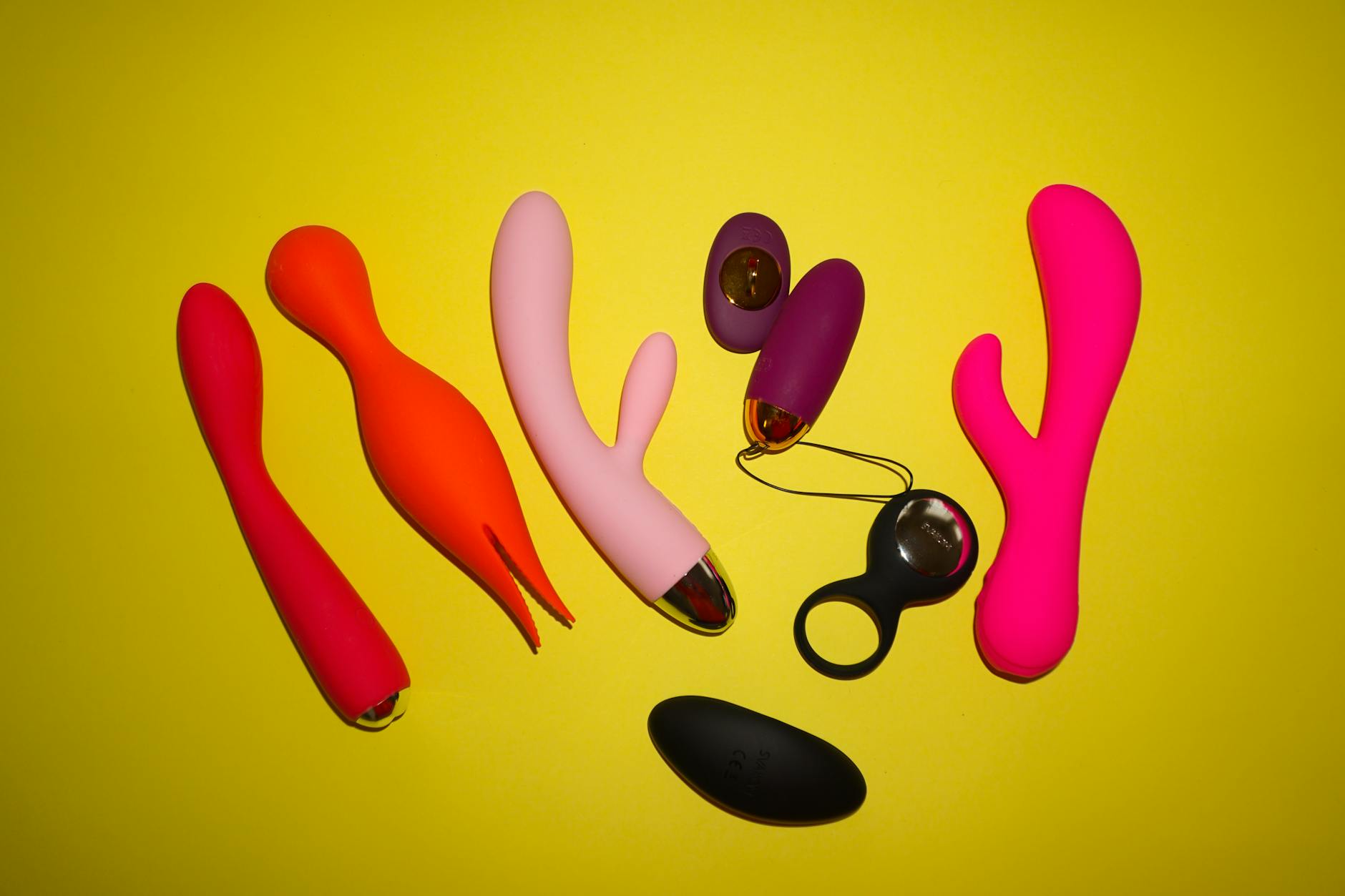
The part nobody warns you about
Here's the thing. Most couples never actually talk about pleasure. You have sex. It works or it doesn't. You move on. But when one person's needs aren't being met, silence turns into resentment fast. Your partner might think everything is fine. You might be quietly frustrated. Neither of you is wrong. You're just not communicating.
This gap gets worse when one of you discovers that clitoral vibrators, like Lemon vibrators, fundamentally change what feels good. Your partner might feel replaced. You might feel unseen. The tool becomes a wedge instead of a bridge.
The way out isn't to hide the vibrator. It's to turn pleasure into a conversation.
Why your partner might be resistant (and it's not what you think)
Listen, resistance to toys usually isn't about the toy. I've worked with hundreds of couples, and the pattern is almost always the same. Your partner is worried about one of three things:
They think it means they're not enough. This is the biggest one. In their mind, if you need a lemon clitoral vibrator, that means their touch isn't working. That's a threat to their sense of being desirable. Totally unfair logic, but very human.
They don't understand how it actually works. A lot of people think suction vibrators are a replacement for a partner. In reality, they're a tool for understanding your own body. That's the opposite of replacement.
They're embarrassed or uncomfortable with the conversation. Some partners grew up in contexts where pleasure wasn't discussed at all. Bringing up toys feels too direct, too risky.
None of these are reasons to stay silent. They're just the barriers you need to acknowledge first.
The conversation starter that actually works
Don't ambush them with a vibrator. Talk first.
Pick a moment when you're both calm, clothed, and not in the bedroom. Seriously. This conversation works better over coffee than over pillow talk. Pick something like this:
"I've realized I want to explore what feels good to my body more. I'm not saying anything is wrong with us. I'm saying I want to understand myself better. I'd like to try using a clitoral vibrator, and I'd actually like to show you how it works."
That's it. You're being direct without being accusatory. You're not blaming them. You're not making it about them at all. You're making it about you taking ownership of your pleasure.
Listen to what they say next. Don't defend. Don't over-explain. If they're scared, that's information. If they're curious, that's good. If they're dismissive, that's a bigger conversation that might need a therapist.
How to introduce Lemon vibrators without creating distance
Once you've had the initial conversation, the introduction matters.
Option 1: Show them first, alone. Use your lemon clitoral vibrator by yourself a few times. Understand what you like. Then tell your partner, "I tried something and it really worked for me. I'd like to use it when we're together too."
Option 2: Invite them to watch. This sounds more vulnerable than it is. You're saying, "I want you to see what feels good to me. This isn't a performance. It's just you getting to know my body better."
Option 3: Use it together from the start, but frame it as foreplay. You're using the lemon sucker on yourself while they touch you somewhere else. It's additive, not replacement. They get to see the exact moment your body responds. That's incredibly intimate if you let it be.
Start with one of these. Don't jump to all three at once.
What happens when you actually do it together
The first time you use a Lemon vibrator with your partner present, most people feel one of two things. Either they finally relax because their partner is being cool about it. Or they realize their partner is actually turned on by seeing them experience pleasure.
Both are huge.
If your partner is watching, they're learning your body in real time. They see what pressure levels make you respond. They see your rhythm. They see what you're attracted to. That's invaluable information. After, you can talk about it. "Did you notice I liked that pattern better?" Simple. Factual. No shame.
The other thing that often happens. Your partner wants to try using it on you. That's a good sign. It means they've moved from feeling threatened to feeling curious. Let them. Guide them. Show them the intensity level you like. Most partners find that using a clitoral vibrator on someone they care about feels amazing because they can see the immediate response.
This is connection. This is the opposite of distance.
When things stay stuck
Sometimes you have the conversation and your partner shuts down. They don't want to hear about it. They don't want you to use toys. They're just not interested.
That's not a toy problem. That's a communication problem.
At that point, you have a choice. You can keep your pleasure small to make them comfortable. Or you can use the vibrator anyway and accept that they're not ready. Neither is wrong, but one leads to resentment and the other leads to honest conflict.
Honest conflict is actually better. It means you're dealing with the real issue. Which is that your partner doesn't want to hear about your pleasure. That's worth addressing with a therapist or a real conversation, not by pretending you don't want what you want.
The surprising thing that happens next
Most couples who make it through this awkwardness end up closer. Not because the vibrator is magic. Because they learned to talk about sex without dying of embarrassment.
Once you've said "I like this pattern better" or "this intensity feels right," saying "I want more foreplay" or "I want us to try something new" becomes easier. The barrier isn't the conversation. It's the first conversation. After that, the door stays open.
And here's the thing I've seen a hundred times. When a partner realizes that helping you feel good actually feels good, they stop resisting. They start being curious. They might ask questions about which lemon clitoral vibrator you prefer or want to understand different modes. That's the shift. From threat to partnership.
Your pleasure deserves to be understood
You don't have to stay small because your partner doesn't understand you yet. But you also don't have to bulldoze through without trying to bring them along. There's a middle path. It's the one where you're clear about what you need, you invite them into the conversation, and you're patient with their process while also protecting your own.
Lemon vibrators aren't a band-aid for communication problems. But they can be a really effective way to start having the conversations you've been avoiding. Use that. If you need more support navigating this with your partner, reach out to someone trained in relationship dynamics. You both deserve to feel wanted and understood.
People also ask
How do I bring up using a lemon vibrator without my partner feeling threatened?
Start outside the bedroom and lead with your own discovery, not his inadequacy. Say something like "I've been learning more about what feels good to my body, and I'd like to show you." This frames it as self-exploration, not rejection. Most partners feel less threatened when they understand it's about understanding you better, not about them not being enough.
Can we use Lemon vibrators together if my partner is uncomfortable with toys?
Absolutely. Start small. Let them use it on you during foreplay before you use it solo. When partners get to see the immediate physical response they're creating, discomfort often shifts to curiosity. Go at their pace while also being honest that this is something you want to explore.
What if my partner refuses to accept that I want to use a clitoral vibrator?
That's worth taking seriously. Refusing to accept your bodily autonomy is a bigger relationship issue than the toy itself. Consider whether this is part of a larger pattern of control. If it is, that might be worth discussing with a therapist. Your pleasure matters, and you deserve a partner who respects that, even if they don't fully understand it yet.
How do I use a lemon sucker with a partner who wants to be involved?
Invite them in. They can use it on you while you focus on sensation. Or they can use it on you as part of foreplay while they touch you elsewhere. The key is making it collaborative, not isolating. Most partners find it incredibly intimate once they get over the initial awkwardness.
What if I orgasm faster with a vibrator than with my partner?
That's totally normal. Your body is responding to a specific type of stimulation that your partner might not naturally provide. This isn't a failure on their part. Talk about it. Maybe you use the vibrator first to build arousal, then switch to what your partner does. Or maybe you use it during sex. The goal isn't to abandon what works with your partner. It's to expand what's possible.
How long does it usually take for a partner to feel comfortable with clitoral vibrators?
It varies wildly. Some partners are cool immediately. Others need weeks or months to move from threatened to curious. The timeline depends on how much reassurance they need and how comfortable they already are talking about sex. Patience helps, but so does firmness. You're not asking permission to know your own body.