Starting hormonal therapy changes everything, but not the way you think
When you begin hormonal therapy, whether it's HRT, birth control, or hormone blockers, your body doesn't just change physically. Your entire pleasure response reorganizes. Arousal might take longer. Orgasms might feel softer or harder to reach. Lubrication might shift. Your clitoris might feel less responsive to the touch that used to work instantly.
The weird part? This isn't broken. It's your nervous system recalibrating to new hormone levels.
What hormonal therapy actually does to arousal
Hormones are the traffic controllers of pleasure. They regulate blood flow to your genitals, thickness of vaginal tissue, sensitivity of nerve endings, and how quickly your body can build arousal. When you change your hormone load, all of that shifts at once.
If you're starting estrogen, your tissue becomes thicker and more vascularized. Sensation might initially feel muted because the tissue is denser. If you're on testosterone therapy, you might experience stronger desire but different orgasm quality. If you're on a progesterone-heavy birth control, arousal might feel slower or less urgent.
Here's what almost nobody tells you: using a regular vibrator on tissues that are adjusting to new hormone levels can feel wrong. Too much direct pressure. Not enough sensation traveling where you need it. Some people say it feels numb. Others say it's overwhelming and uncomfortable.
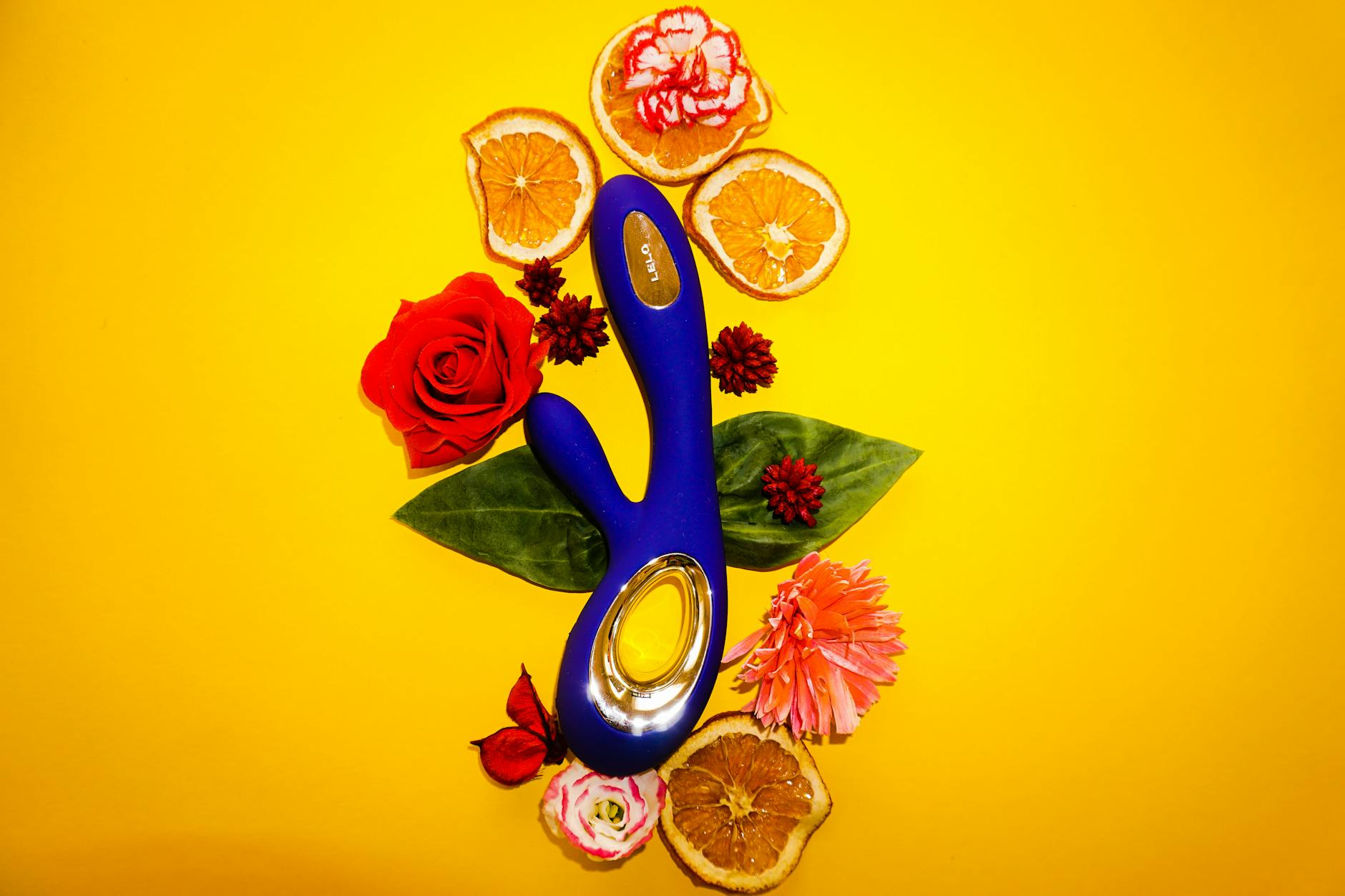
Lemon clitoral vibrators work differently. They use suction rather than vibration, which means they pull blood and sensation into the tissue without the mechanical pressure that can feel jarring on a recalibrating body.
Why suction changes the game during hormonal shifts
Let's separate what your clitoris actually needs from what traditional vibrators provide. Your clitoris has about 8,000 nerve endings concentrated in a space the size of a pea. Those nerves respond to pressure, temperature, and rhythm. But they don't all respond the same way.
When you're on hormonal therapy and sensation feels muted, what's usually happening is that the outer layers of tissue are temporarily less responsive to direct vibration. Suction bypasses that problem by creating a gentle vacuum that draws sensation inward and activates deeper nerve pathways.
Lemon vibrators create a specific kind of suction pattern that mimics the sensation of oral sex, which stimulates a wider network of nerve endings than direct vibration alone. This is especially useful when your clitoris feels less responsive to touch because it's not about pressure. It's about pulling sensation in the right direction.
I've had clients report that after starting hormonal therapy, traditional vibrators felt like nothing, but switching to a lemon clitoral vibrator restored sensation within the first use. Not because their pleasure capacity changed, but because the tool matched what their newly-calibrated nervous system needed.
How to adjust your routine when starting hormonal therapy
Three basic shifts make a huge difference:
Give yourself a longer warm-up window. Hormonal therapy slows arousal. Where you used to get there in five minutes, budget fifteen. This isn't failure. This is your endocrine system being more deliberate. Use the time to explore what actually feels good now, not what used to.
Start on the lowest setting. Lemon vibrators typically have three to five intensity levels. Begin on pattern one or two and stay there for several minutes before incrementally moving up. Your tissues are adjusting, and more pressure isn't better. Gradual activation is.
Expect a recalibration period of two to four weeks. Your body isn't broken during this time. It's learning how to work with new hormone levels. Orgasms might feel different in quality, duration, or intensity. That's information, not a problem. Keep using the tool consistently so your nervous system can adapt.
The role of lubrication while on hormonal therapy
Some hormonal therapies increase vaginal lubrication. Others decrease it temporarily. Either way, extra lubrication during this transition helps the suction of a lemon vibrator work more effectively.
Use a water-based lubricant if you're using silicone toys. Silicone lubes can degrade silicone surfaces. Reapply as needed. Honestly, extra lube is a feature here, not a sign something is wrong. It reduces friction and lets the suction work its job without catching on dry tissue.
If your hormonal therapy is drying you out significantly, that's worth discussing with your prescriber. There are adjustments and topical treatments that can help, but in the meantime, lubrication plus a lemon clitoral vibrator gives you a solid workaround.
What to expect as your body settles in
Most people find that after three to eight weeks on hormonal therapy, sensation starts normalizing. Orgasms build back to their previous intensity, or sometimes even surpass it. This is especially true if the therapy is addressing a hormonal imbalance that was suppressing pleasure to begin with.
Keep using the device consistently during this period. Your nervous system learns through repetition. Each time you use a lemon vibrator, you're literally rewiring how your clitoris communicates with your brain under new hormone conditions. This is why sporadic use feels less effective than regular, deliberate exploration.
If after eight weeks sensation still feels significantly muted, or if orgasms have become painful, check back in with the provider who prescribed your hormonal therapy. Sometimes dose adjustments or switching formulations makes a difference. You're not supposed to sacrifice pleasure for hormonal balance. The right therapy should eventually give you both.
When to reach out for support
If sensation doesn't return after two months, or if using any vibrator causes pain or discomfort, that's a conversation starter with your doctor. Sometimes hormonal therapy needs tweaking. Sometimes what feels like a sensation issue is actually something else like pelvic floor tension or a yeast infection.
If orgasms feel completely absent rather than just delayed or softer, that might warrant talking to your prescriber about whether the specific formulation is right for you. Some hormonal therapies impact orgasm capacity more than others, and alternatives exist.
If you're partnered and this is affecting your relationship, consider having a separate conversation about the timeline. "My body is recalibrating" is different from "I'm not interested in us anymore." Keeping those conversations separate prevents a hormonal transition from becoming a relationship crisis.
Frequently asked questions
How long does it take for sensation to return after starting hormonal therapy?
Most people experience noticeable changes within two to four weeks as their body adjusts to new hormone levels. Full recalibration typically takes six to twelve weeks. Individual timelines vary based on the specific therapy, your body's response, and what sensation felt like before. Using tools like lemon vibrators consistently during this period helps accelerate nervous system adaptation.
Can I use a lemon vibrator immediately after starting hormonal therapy?
Yes, but start conservatively. Use it at low intensity and give yourself extended warm-up time. Your tissues are in transition and might feel tender or less responsive. Low settings allow you to explore new sensation patterns without overwhelming an adjusting nervous system.
Will a lemon vibrator feel different on hormonal therapy than before?
Very likely. You might notice the suction pattern feels stronger or softer depending on which direction your hormone levels are moving. This is normal. Give yourself permission to relearn your body rather than assuming something is broken.
Is it normal for orgasms to feel different on hormonal therapy?
Completely. Hormonal shifts change tissue thickness, blood flow, and nerve sensitivity. Some people report more intense orgasms on hormonal therapy. Others find them softer or more distributed. Neither is better or worse. Different is the point.
Should I switch back to my old vibrator if my lemon vibrator feels weird at first?
Not necessarily. The weirdness usually means the suction is working on tissue that's in transition. Stick with it for a week or two at low settings. Most people adjust quickly. If it consistently causes pain or feels genuinely wrong, try different intensity patterns. If pain persists, check with your provider.
What if I'm on multiple medications and unsure which one is affecting sensation?
Start a simple tracking note. Record when you use your lemon vibrator, what intensity level you used, how sensation felt, and any other relevant context like stress or sleep. After two weeks you'll see patterns. Share this with your provider if needed. It gives them actual data rather than vague impressions.
The bigger picture
Hormonal therapy is often necessary and life-changing for your overall health. Pleasure is also necessary and life-changing. You don't have to choose between them. Using a clitoral vibrator specifically designed for suction play helps your nervous system adapt to new hormone levels while keeping sensation alive during the transition.
The key is patience, consistency, and permission to explore what your recalibrating body actually enjoys right now, rather than forcing it to feel the way it used to. Your clitoris hasn't gone anywhere. It's just learning to work with new chemical instructions.
If you want personalized guidance on navigating pleasure and intimacy during hormonal changes, contact us to chat with someone who gets it.