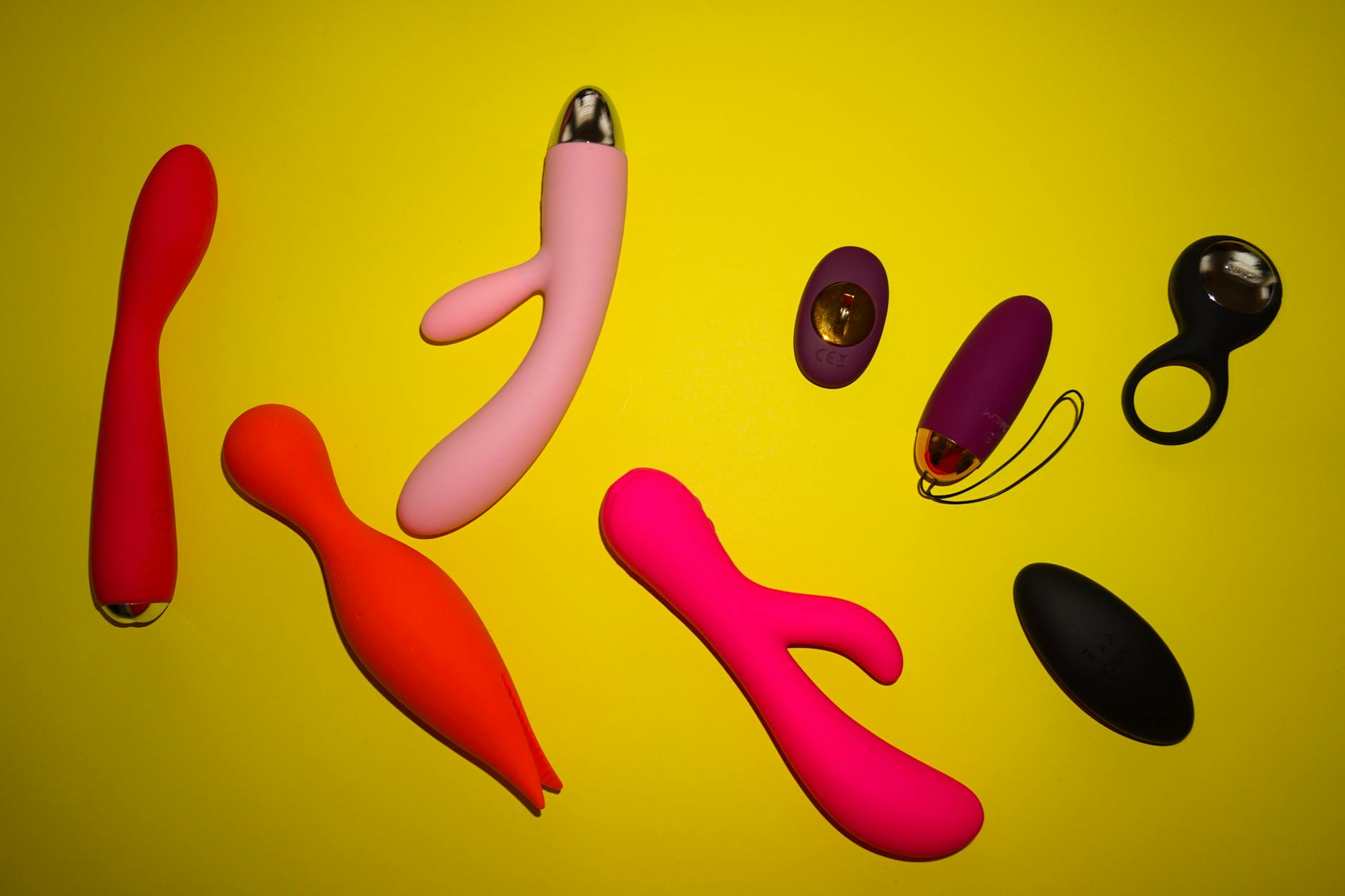
Let's talk about the trade-off nobody warns you about
Antidepressants save lives. They also sometimes flatten sensation in ways that feel deeply unfair when you're finally getting your mental health stable. You're not broken. Your medication isn't punishing you. This is a documented side effect that affects roughly 40 to 60 percent of people taking SSRIs (selective serotonin reuptake inhibitors), and it's absolutely fixable.
Here's what's happening: SSRIs increase serotonin availability in your brain, which is great for mood and anxiety. But serotonin also plays a role in sexual response, arousal, and orgasm. The same mechanism that helps you feel calmer can make it harder to feel intensity in your body. Orgasms might take twice as long, or feel distant, or just not happen at all. It's not psychological. It's neurochemical. And that matters because it changes how you solve it.
Why lemon vibrators work differently for medicated bodies
Most traditional vibrators rely on speed and intensity to build sensation. If your nervous system is already running a bit quieter because of antidepressants, a standard vibrator might feel like you're running your fingers over the surface without reaching the deeper nerve pathways. You end up chasing sensation that stays just out of reach.
Lemon vibrators work on a completely different principle. Instead of repetitive buzzing, they use air-suction technology to create a gentle pulling sensation that engages nerve clusters more directly. Think of it less like knocking on a door and more like opening a window. The suction stimulates without requiring the intense friction that overstimulated bodies sometimes reject.
For people on antidepressants, this matters because suction stimulation can reach the clitoral nerve network more efficiently than vibration alone. You need less time, less intensity, and fewer false starts to build toward orgasm. You're not fighting your medication. You're working with your body's actual capacity.
The practical setup that actually works
Start with pattern one on the Lemon. This sounds obvious, but people often jump to medium or high intensity because they're used to needing more to feel anything. Resist that instinct. Low suction at a slow rhythm gives your nervous system time to register what's happening.
Budget 20 to 30 minutes minimum. This isn't laziness. Your brain needs longer to build arousal when serotonin is elevated. Use the first 10 to 15 minutes to explore sensation without the goal of orgasm. Notice what you feel. Shift position slightly. Let your body remember its own capacity for pleasure.
Use water-based lubricant even if you don't think you need it. Sensation numbness sometimes comes with reduced natural lubrication as a side effect. Lube helps the suction work more effectively and removes friction that might feel uncomfortable instead of good.
Honestly though, the single biggest shift is permission. You're not lazy or broken because this takes longer. Your body is processing medications that change neurochemistry. You deserve the same patience you'd give any adjustment period.
When to talk to your doctor (and what to say)
Your prescriber needs to know if sexual side effects are significantly impacting your quality of life. Not to shame you, but because there are real solutions. Most doctors have heard this dozens of times. It's not awkward for them.
Three options worth discussing.
First, timing. If you're taking your SSRI at night, taking it right after sex or masturbation sometimes helps. The medication peaks at a different point in your cycle. Not everyone needs a dose change or a different medication.
Second, a dose adjustment. Sometimes lowering the dose by a small amount preserves mental health benefits while reducing sexual side effects. This only works for some people and some medications, but it's worth asking about.
Third, augmentation medication. Some doctors add bupropion (Wellbutrin) or buspirone specifically to counteract sexual side effects. These aren't magic, but they work for roughly 50 percent of people who try them.
What you don't have to do is choose between mental health and pleasure. That's a false binary that keeps people suffering unnecessarily.
The partner conversation (if that applies to you)
If you're with someone, here's the thing. They might notice that your pleasure is taking longer or feeling different. That's not their fault and it's not yours either. It's medication.
The most useful conversation separates two topics. First: "My nervous system is processing medications that slow my sexual response." Second: "I want to explore what works for my body right now, and I'd like you with me in that." Don't collapse those into one sentence or you end up in a conversation about whether they're doing something wrong. They're not.
Bring them into the process if you want to. Some partners find it actually deepens things because you're both slowing down and paying attention. Some people prefer solo time to explore what their body needs now before bringing a partner back in. Both are completely valid.
What changes when you stick with it
Most people see a significant shift within 2 to 3 weeks of consistent use. Not because your body changes, but because your nervous system learns the pattern. You're literally teaching your brain what sensation to expect, which is its job.
Some people find that suction technology is so effective for their medicated body that they prefer it even after adjusting to antidepressants long-term. Others graduate back to other forms of stimulation once they've reconnected with their baseline capacity. There's no timeline here.
The key is staying curious instead of frustrated. Your pleasure hasn't disappeared. Your medication changed how your nervous system processes sensation, and you're learning a new map. That's completely workable.
Why this matters beyond just sex
Let's be honest. Sexual pleasure is a quality-of-life issue. Not because it's essential to existence, but because numbness in one area of your body sometimes signals numbness elsewhere. If you can restore sensation and pleasure during a time when you're also managing depression or anxiety, you're giving yourself a real win. You're not being vain. You're taking care of yourself.
Antidepressants are worth the trade-off for mental health. And you don't have to accept flattened sensation as the permanent price. There are genuinely effective ways to work with your body exactly as it is right now.
FAQ
Why do SSRIs affect sexual sensation and orgasm specifically?
Serotonin regulates arousal, blood flow to genital tissue, and the nervous system's ability to build and release tension. When SSRIs increase serotonin availability, they calm your central nervous system overall. That's therapeutic for anxiety and depression, but it can slow the neurological chain reaction that leads to orgasm. It's not a side effect of the antidepressant being toxic. It's how the mechanism works. Switching to different classes of antidepressants (like bupropion, which works on dopamine and norepinephrine instead of serotonin) sometimes avoids this, but SSRIs are first-line for a reason. Your mental health comes first.
Can I just stop taking my antidepressant to get sensation back?
No. Stopping antidepressants to restore sexual function puts you at serious risk of relapse into depression or anxiety. That's not a trade worth making. The solutions I've mentioned (timing changes, dose adjustments, augmentation medications, or using different stimulation techniques like lemon vibrators) all preserve your mental health while addressing the sexual side effect. Talk to your prescriber before changing anything.
How long does it take for suction stimulation to feel effective?
Most people notice a difference within the first few uses, but real integration usually takes 2 to 3 weeks. Your nervous system needs time to learn the new pattern. If you're seeing zero response after 3 weeks, that doesn't mean suction won't work for you. It might mean the intensity level needs adjusting, the rhythm needs tweaking, or your body needs more time. Patience is genuinely the variable here.
Do lemon vibrators work for other medications that numb sensation?
Yes. Any medication that affects serotonin, dopamine, or blood flow can impact sensation. That includes some blood pressure medications, some antipsychotics, and some antihistamines. The same principles apply. Lower intensity, more time, lubrication, and patience. If you're on a medication you think might be affecting pleasure, ask your doctor and explore solutions together.
Is it normal to need different stimulation after going on medication?
Completely normal. Your body hasn't changed. Your neurochemistry has. Just like your taste in food might shift on certain medications, your pleasure response shifts too. This isn't permanent unless you want it to be. Many people find that once they've adjusted to their medication (usually 6 to 12 weeks in), they can gradually explore what works without judgment. Your baseline has shifted. Work with it, not against it.
What if suction doesn't work for me?
Then you explore other options with your prescriber and your own curiosity. Some people find that adding a different form of stimulation (like partnered touch or a different toy altogether) helps. Some people benefit from the medication adjustments I mentioned earlier. Some people need both. You're not broken if suction alone isn't the answer. You're just gathering information about what your body needs right now. That's the whole point.