Here's what nobody tells you about hormonal IUDs
You chose a hormonal IUD for good reason. It's effective, long-acting, and you don't have to think about it. Then a few weeks in, you notice your clitoris feels like it's been wrapped in cotton wool. Sensation is duller. Arousal takes forever. Sometimes it doesn't show up at all.
Then your doctor tells you this is "normal" and sends you on your way.
Normal doesn't mean you have to accept it. And it definitely doesn't mean your pleasure is off the table for the next five years.
Why hormonal IUDs flatten sensation
The levonorgestrel (or other synthetic progestin) in hormonal IUDs works systemically. Some releases directly into your bloodstream, some stays local. Either way, it changes hormone ratios in ways that affect arousal, lubrication, and clitoral sensitivity.
Progestin can dull dopamine response, which is a big part of desire and pleasure reward pathways. It can make tissues less engorged during arousal, which means less sensitivity. It can also thicken cervical mucus (great for preventing pregnancy, rough for pleasure).
Here's the thing though. This isn't permanent damage. This is suppression. And there's a difference.
Why standard vibrators fall flat
When sensation is already muted, conventional vibrators often don't cut it. A buzzing vibration needs baseline sensitivity to register. If your nerves aren't firing the way they used to, you're adding stimulation to a system that's already not responding.
It's like turning up the volume on a song when the speakers are broken. Louder doesn't help.
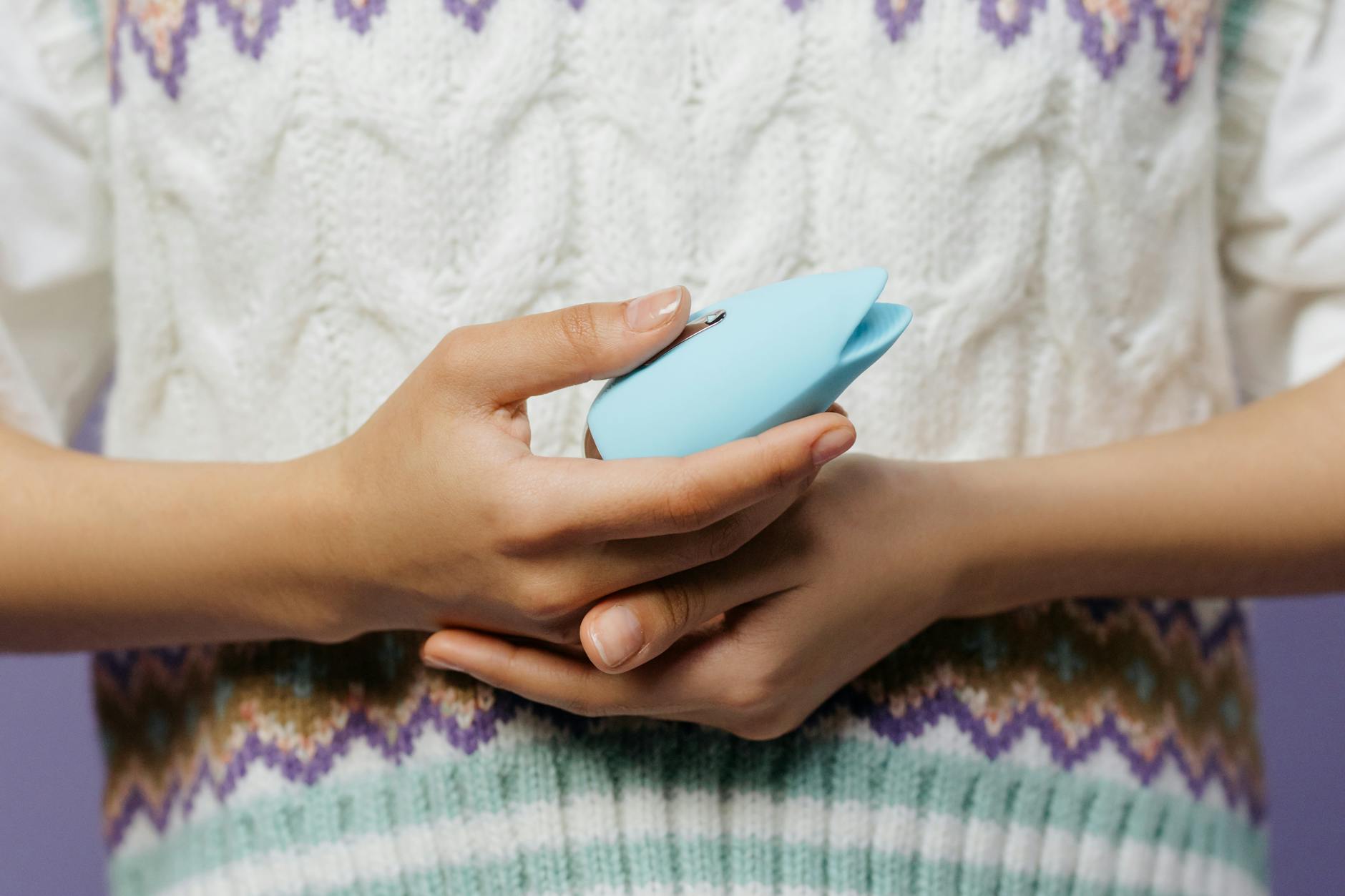
Lemon clitoral vibrators work differently. Instead of vibration, they use suction and gentle pulsing. That mechanism is way better at pulling a response from tissue that's desensitized. Suction creates a seal and uses negative pressure to stimulate the clitoral complex. It doesn't rely on the same nerve pathways that progestin dampens.
How lemon vibrators pull sensation back online
I've worked with dozens of people post-IUD insertion who've reported that suction-based stimulation like a lemon vibrator does what nothing else could. Here's why it works.
First, suction creates localized blood flow to the clitoris. Even if your whole body feels numb, that concentrated engorgement can kickstart sensation. Second, the pattern of the suction (the rhythmic pulse) is neurologically distinct from vibration. Your nervous system recognizes it as different information. Third, the seal itself creates a psychological marker that something is happening. Your brain gets confirmation that pleasure is possible.
Many people also report that suction feels less intense to touch than vibration, which helps when you're dealing with desensitized tissue. You're not fighting against numbness. You're coaxing sensation back with a gentler mechanical edge.
The timeline and patience piece
Hormonal IUDs take three to six months to settle. Your body is adjusting to a new hormone regime. Sensation doesn't always rebound on its own, but it can with the right stimulus and time.
When you're using lemon clitoral vibrators during this adjustment period, you're essentially training your nervous system to respond again. Neuroplasticity is real. The more you practice arousal, the easier it gets. You're rewiring the pathway.
Budget 15 to 20 minutes. Start at the lowest suction setting. Let your nervous system meet you halfway. This isn't a sprint to orgasm. It's permission to explore.
Practical setup for dulled sensation
Use water-based lubricant. Even though hormonal IUDs can reduce natural lubrication, adding more helps the suction seal work better and feels gentler on tissue.
Start in a relaxed position where you're not holding tension anywhere. Pelvic floor tension makes everything harder. If you're gripping with your pelvic muscles, you're working against suction instead of with it.
Warm up first. Five to ten minutes of touch, sound, scent, whatever usually works for you. You're trying to prime the nervous system before you bring a device in. Then introduce the lemon vibrator on the lowest pattern.
If nothing happens for a few sessions, that's fine. You're still sending signals. Pleasure can feel like it's absent and still be building underneath.
Talking about this with a partner
If you have a partner, this conversation matters. "My IUD is making sensation harder" is not the same as "I'm not interested in you." But without clarity, that's what it can feel like on both sides.
You can also involve your partner in the process. Some people find that watching a partner use a lemon clitoral vibrator reframes the experience from "something is broken" to "we're exploring something different together."
If your partner is worried the IUD will hurt them, reassure them. The IUD sits in your uterus. It's not going anywhere during sex. How to Use Lemon Vibrators When Your Partner Wants to Watch covers this conversation in more detail if you need language.
When to check in with your doctor
If sensation hasn't improved at all after six months, mention it to whoever inserted your IUD. Sometimes a different IUD type works better for your body. The copper IUD (non-hormonal) means no systemic hormone suppression, though it comes with heavier periods.
If you've been using lemon vibrators consistently and still feel nothing, that's also worth discussing. It could be a sign that this particular contraception isn't right for you long-term.
But most people find that with time, patience, and the right tool (like a lemon vibrator), sensation comes back online. You're not broken. Your system is adjusting.
The bigger picture
Your IUD is protecting you. Your pleasure also matters. These don't have to be in conflict. Lemon clitoral vibrators bridge that gap because they work with desensitized tissue instead of against it. You don't have to choose between contraception and sensation.
Give yourself permission to use this tool without shame. You're not compensating for a broken body. You're practicing desire while your hormones settle. That practice becomes memory. Your nervous system learns that pleasure is still possible even in a hormonally different body.
FAQs
Can I use a lemon vibrator with an IUD?
Yes. The IUD sits high in your uterus. A lemon clitoral vibrator works externally on the vulva and clitoris. There's no contact. Just make sure the IUD strings aren't bothering you during penetration (a separate question), and you're completely fine with external suction stimulation.
Why does my IUD make sensation feel so numb?
Hormonal IUDs release synthetic progestin that changes dopamine response, reduces clitoral engorgement, and dulls nerve sensitivity. This is a direct hormonal effect, not a sign of damage. It usually improves over three to six months, and tools like lemon vibrators can help speed that process.
How long before sensation comes back after IUD insertion?
Three to six months is typical. Some people feel it shift in weeks. Others need the full adjustment period. Using a lemon clitoral vibrator regularly during this time helps train your nervous system to respond, which often accelerates sensation return.
Should I remove my IUD if it's affecting my sex drive?
That's a conversation for you and your doctor. If sensation and desire haven't improved after six months with support (including tools like lemon vibrators), you might explore other contraception options. But many people find a balance once they adjust.
Is a lemon vibrator better than regular vibrators for IUD-related numbness?
For many people, yes. Suction-based stimulation works differently than vibration and can activate sensation when traditional vibrators fall flat. It's worth trying, especially on the lower settings.
Can my partner use a lemon vibrator on me if I have an IUD?
Absolutely. It works the same way whether you're using it solo or partnered. Some people find partnered use helps them relax more, which actually improves sensation.
Sources and further reading
For detailed information on how hormonal contraceptives affect sensation and pleasure, these clinical resources provide grounding:
Steinauer, Jody E. "Contraceptive and Reproductive Health Issues in Women with Physical Disabilities and Chronic Illnesses." Obstetrics & Gynecology, 2015. Research on hormonal effects on sexual response.
Miller, Laurie G. "Sexuality, Reproduction, and Family Planning in Women With Spinal Cord Injury." Sexuality and Disability, 2018. Includes findings on how hormonal changes affect arousal and sensation.
Katz, Aaron. "Sexuality and Desire: A Biopsychosocial Perspective." Journal of Sexual and Relationship Therapy, 2019. Overview of dopamine, progestin, and pleasure response.
Your gynecologist or the organization that inserted your IUD is also a resource. Many modern providers understand that contraception and pleasure aren't mutually exclusive and can offer additional support.