When your clitoris stops answering the way it used to
You know that moment when you touch yourself and expect to feel that familiar spark, and instead there's just... flatness? Like someone turned down the volume on a song you've known your whole life. It's disorienting. And the first thing most people think is that something's broken.
It's not. Your clitoris hasn't lost its nerve endings. What's changed is how quickly and intensely those nerves respond to direct pressure and friction. This is one of the most common (and least talked about) shifts in sexual response across a lifetime, and it changes everything about how you need to approach pleasure.
Why clitoral responsiveness shifts
Let's start with the anatomy. Your clitoris has about 8,000 nerve endings concentrated in a space the size of a pea. That density doesn't go anywhere. But the tissue around it, the patterns of blood flow, and the neurochemical backdrop that primes arousal all shift depending on hormones, stress, medications, circulation, and how long it's been since you've engaged with pleasure intentionally.
Here are the main culprits:
Hormonal changes. Estrogen affects blood flow and tissue elasticity. When it drops (whether from menopause, birth control changes, postpartum recovery, or just stress), the tissues around your clitoris become thinner and less engorged. That means less baseline pressure on the nerve endings, and therefore less spontaneous response to touch.
Routine desensitization. This sounds strange, but if you've been using the same direct-pressure technique for years, the nerves adapt. They become slightly less reactive to that specific stimulus. It's not that you're broken. It's that your body has learned the rhythm so well it stops paying attention.
Medication side effects. SSRIs, certain blood pressure drugs, antihistamines, and even some hormonal contraceptives can dampen arousal and reduce how quickly your clitoris engorges and responds. The mechanism varies, but the effect is real and worth discussing with your doctor.
Pelvic floor tension. When your pelvic floor muscles are chronically tight (from stress, trauma, or just the way you hold tension), they constrict blood vessels and reduce sensitivity in the clitoris. Ironically, this happens most to people who think they need to "grip harder" to feel something.
Circulation and cardiovascular fitness. Your clitoris engorges the same way a penis does. If your overall cardiovascular fitness has declined or if you're dealing with poor circulation, the tissues won't swell as readily, and that reduced engorgement means reduced sensation.
What air-suction devices do differently
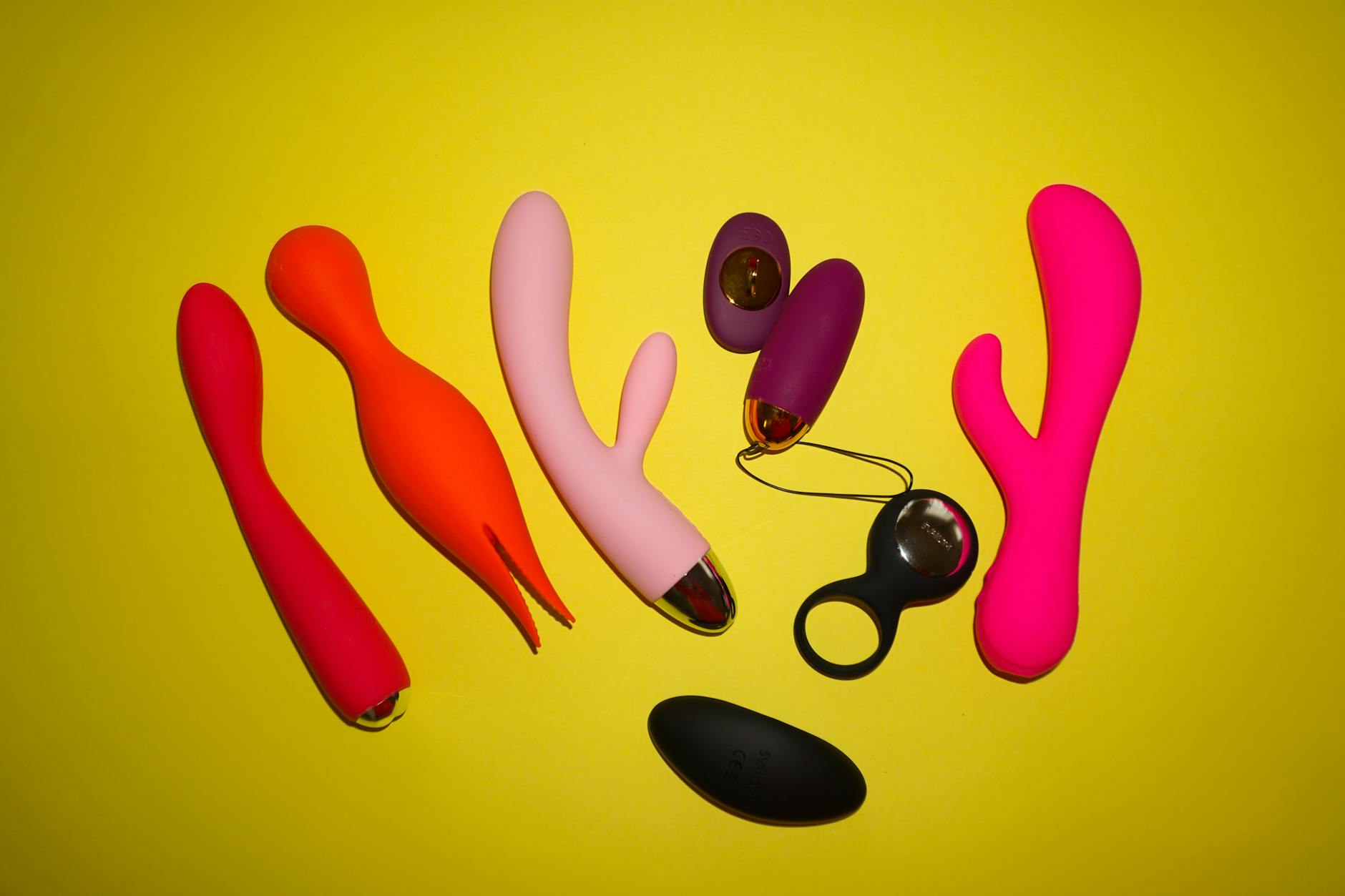
This is where lemon vibrators and clitoral suckers like the Lem change the game. They don't work by friction or pressure alone. They use gentle suction and pulse patterns that stimulate the entire clitoral structure, not just the surface.
When your clitoris feels less responsive to traditional touch, it's often because the tissues aren't engorged enough to create that pressure-on-nerves feeling. Suction does something different. It draws blood into the tissue, plumps it up, and then the pulsing pattern keeps that engorgement sustained while stimulating the nerves in a rhythmic way that direct touch often can't replicate.
Think of it this way: direct touch is like tapping on a door. Suction is like opening the door wider so you can see what's inside. The response is qualitatively different.
How to rebuild responsiveness step by step
Start lower than you think. If you've been pressing hard on your clitoris for years and feeling nothing, your instinct is probably to press even harder. Resist that. With a clitoral vibrator like the Lem, begin on setting one or two. Let the suction do the work. This is uncomfortable if you've been white-knuckling it, but your sensitivity will rebuild faster if you use gentler input.
Warm up longer. Reduced clitoral responsiveness often means arousal takes more time to build. Budget 15 to 25 minutes before you even touch yourself with a toy. Read erotica. Touch other parts of your body. Let your nervous system settle into pleasure mode rather than jumping straight to the clitoris.
Use water-based lubricant. Even though the Lem doesn't require lube to function, a small amount of water-based lubricant on and around the clitoris helps the suction seal work better and makes the whole experience feel less like a clinical procedure and more like play.
Explore patterns, not intensity. The urge when you feel less sensation is to turn everything up. Resist that too. Instead, spend three to five minutes on each pattern setting. Notice which rhythms your body responds to. Often what feels flat on the highest setting comes alive on a pattern you weren't expecting.
Combine with pelvic floor release. Before you use a clitoral vibrator, spend two minutes actively relaxing your pelvic floor. Breathe in, and as you exhale, imagine the muscles between your sits bones softening and releasing. This single change often restores responsiveness faster than anything else.
The role of partnered touch
If you have a partner, this transition is worth discussing separately from your solo exploration. When you're rebuilding clitoral responsiveness, it's often easier to do alone first, without the pressure of performing arousal for someone else or managing their expectations.
Once you've figured out what works with the Lem or another clitoral vibrator, you can bring that knowledge back to partnered sex. But the solo work first is valuable. You get to learn your body without audience, which removes a huge source of distraction.
When reduced responsiveness signals something else
If you've tried these approaches for three to four weeks and feel no shift, it's worth checking in with a healthcare provider. Reduced clitoral responsiveness can sometimes point to:
Hormonal imbalances that benefit from testing and potentially adjustment. Nerve damage from diabetes or other conditions. Vascular issues that require cardiovascular support. Medication side effects worth discussing with your prescriber.
None of these mean you're permanently stuck. But they do mean the solution might involve more than just changing your technique.
The broader picture: responsiveness rebuilds
Here's what I've learned from working with hundreds of people navigating this shift. Clitoral responsiveness is not a fixed trait. It changes across your life based on stress, health, medications, relationship status, and how recently you've engaged with pleasure intentionally.
This means it can rebuild. That flatness you're feeling now isn't permanent. It often feels permanent because we expect our bodies to work the same way they always have, and when they don't, we panic. But responsiveness is responsive. It adapts.
Using a clitoral vibrator like the Lem during this rebuilding phase isn't a workaround. It's a tool that meets your body where it actually is right now, not where you wish it were. And over time, as you use it and your nervous system gets the message that pleasure is available again, you'll often find that your responsiveness to other forms of touch rebuilds too.
Frequently asked questions
Does reduced clitoral sensitivity mean my hormones are imbalanced?
Not necessarily. Hormonal imbalance is one possible cause, but it's far from the only one. Stress, medications, circulation, pelvic floor tension, and simply changing your touch patterns all affect responsiveness. If hormonal imbalance is the driver, you'd typically see other symptoms too: irregular periods, mood changes, sleep disruption. If reduced clitoral sensitivity is your only symptom, look first at stress, tension, and whether you've been using the same technique for years without variation.
Can you permanently damage your clitoris by using vibrators?
No. The clitoris has an extraordinary capacity to adapt and recover. The only way vibrator use becomes problematic is if you're using so much intensity that you're causing physical tissue damage, which would involve pain and visible inflammation. If you're experiencing numbness without pain, that's desensitization from overuse, which reverses quickly once you dial back intensity or take a break.
How long does it take to rebuild clitoral responsiveness?
Three to six weeks of consistent, intentional exploration usually shows noticeable change. But "consistent" doesn't mean daily. Two to three times a week is enough. The key is patience with yourself and genuine curiosity about what feels good, rather than chasing sensation or performance.
Is air-suction better than vibration for reduced responsiveness?
For many people, yes. Suction stimulates the clitoris differently than vibration alone. It draws blood into the tissue and engages more of the clitoral structure, not just the tip. That said, some people respond better to combination (suction plus vibration), and others find that patterns of vibration alone work. There's no universal answer. The Lem works because it offers both, and you can adjust which one you lean into.
Should I tell my partner my clitoris feels less responsive?
Yes, though the timing and framing matter. You're not telling them it's their fault. You're telling them something true about your body right now and what you're exploring to address it. This conversation is easier and more productive when you've already spent some time learning what works solo. Then you're not asking them to figure it out with you. You're inviting them into something you've already started understanding.
Can clitoral responsiveness be rebuilt without toys?
Yes, but slowly. The manual techniques that work are: exploring different touch patterns, spending longer on arousal, using lube, practicing pelvic floor release, and managing stress. All of this rebuilds responsiveness. Toys like the Lem just accelerate the process because suction and pulsing patterns access your clitoris in ways manual touch often can't, especially when tissue engorgement is reduced.
You're not broken, just recalibrating
Reduced clitoral responsiveness feels like a loss because it is one. Your body has changed. But change isn't the same as broken, and rebuilding sensation is absolutely possible. The first step is understanding why it happened. The second is choosing tools and techniques that meet your body where it is now. A clitoral vibrator like the Lem does both.
Your pleasure matters, and your body's ability to feel it is worth the time and attention it takes to rebuild. If you have questions about how to get started, reach out. We're here.